
Ewa Gentry Genealogy Records Search
Ewa Gentry sits in Leeward Oahu and is part of one of Hawaii's most active second city development areas, meaning its residents come from a wide mix of backgrounds with deep family roots across the islands. Genealogy records for Ewa Gentry fall under Honolulu County, giving researchers access to the same statewide vital records, court archives, and land indexes that cover families across Oahu going back to the mid-1800s.
Ewa Gentry Quick Facts
Vital Records for Ewa Gentry Genealogy
The Hawaii Department of Health holds the state's vital records and is the first stop for most Ewa Gentry genealogy searches. You can reach the office at 1250 Punchbowl Street, Room 103, in Honolulu. Phone is (808) 586-4539. Hours run Monday through Friday, 7:45 a.m. to 2:30 p.m. The first certified copy of a birth, death, or marriage record costs $10. Each extra copy of the same record at the same time runs $4. Online orders carry an added $2.50 processing fee.
State law under HRS §338-18 opens records that are 75 years old or more to the general public for genealogy use. That means births from 1951 and earlier, deaths from 1951 and earlier, and marriages from 1951 and earlier are accessible without proof of a direct family connection. For more recent records you need to show you are the person named, a parent, a legal guardian, or an authorized representative. The DOH main page is at health.hawaii.gov/vitalrecords. You can order online through vitrec.ehawaii.gov. The DOH also has a dedicated genealogy request page at health.hawaii.gov/vitalrecords/genealogy with instructions specific to older record requests.
Hawaii State Archives: Ewa Gentry Historical Records
For older records, the Hawaii State Archives is the most important source. The archives are at 367 South King Street in Honolulu, phone (808) 586-0329. Their genealogy research guide is online at ags.hawaii.gov.
The archives hold Oahu birth records from 1852 to 1885 and death records from 1852 to 1873. Marriage records cover all islands and run from 1826 to 1929. Probate records for the First Circuit go from 1847 to 1921. These collections are key for anyone tracing Ewa Gentry family lines that go back to plantation-era Hawaii or the Kingdom period. Many of the records in the archives have been digitized. You can browse and search them at digitalarchives.hawaii.gov without making a trip to Honolulu.
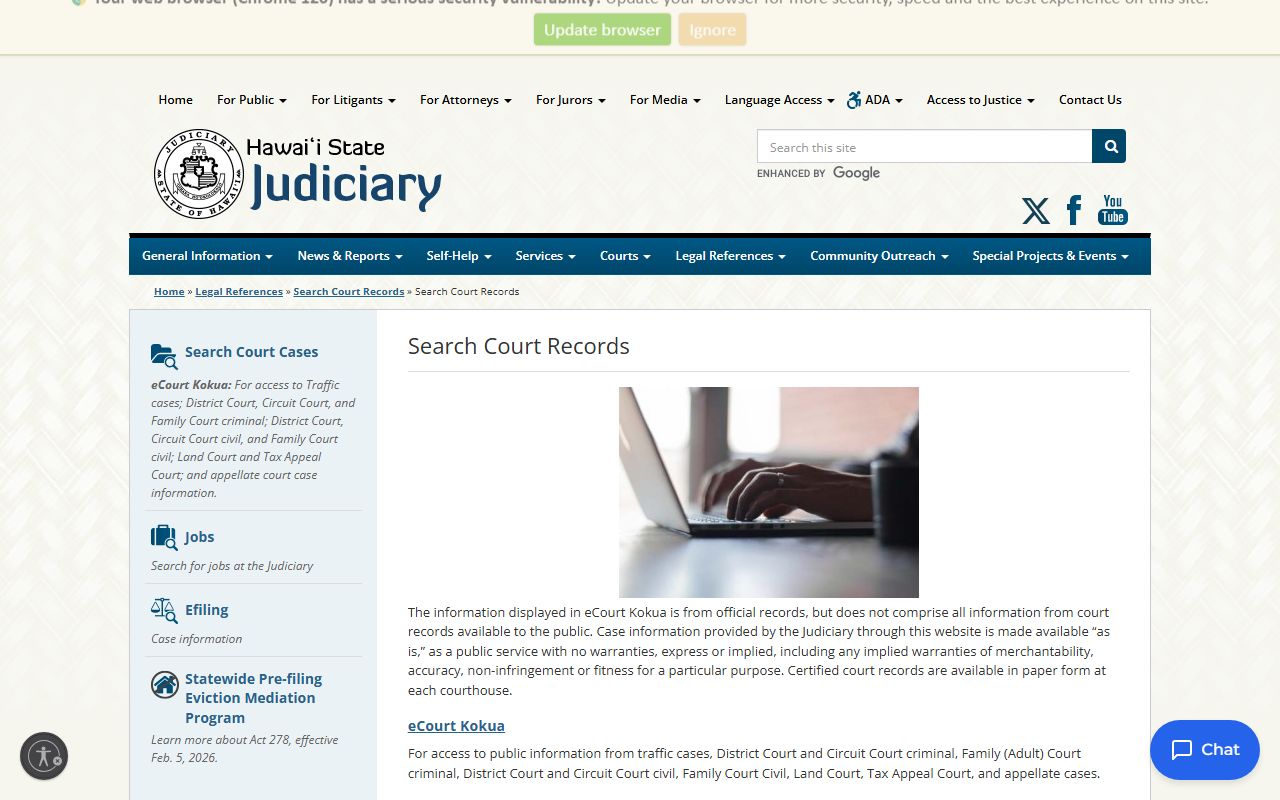
First Circuit Court Records for Ewa Gentry Families
Civil and probate cases involving Ewa Gentry residents go through the First Circuit Court. The court's online search tool, eCourt Kokua, lets you look up parties and case numbers at courts.state.hi.us. Copies of court documents cost $3 for non-certified and $5 for certified copies per page. The eCourt Kokua system is free to search but you pay when you order actual documents.
Court records from 1839 to 1970 are held at the State Archives, not the courthouse. If your Ewa Gentry family research needs older civil cases, probate filings, or land court records from that span, you will need to contact the archives. These older records include naturalization papers, guardianship cases, and estate inventories that can fill in key gaps in a family tree. Probate records in particular are useful because they often list heirs, property, and relationships that do not appear in vital records alone.
Land Records and Bureau of Conveyances
Land records are a strong research tool for Leeward Oahu families. The Bureau of Conveyances keeps Grantor and Grantee indexes going back to 1845. Their office is at 1151 Punchbowl Street, Suite 120, in Honolulu, phone (808) 587-0147. The main site is dlnr.hawaii.gov/boc. You can search land transactions online through the bureau's database. Deeds, leases, and mortgage records often name family members and can show you when an ancestor arrived in the Ewa district, what land they held, and who they transferred property to.
Ewa was historically a sugar plantation area. Many families in present-day Ewa Gentry trace their roots to plantation workers who came to Oahu in the late 1800s and early 1900s from Japan, Okinawa, the Philippines, Portugal, Korea, and China. Land records and labor records from that period can connect modern Ewa Gentry residents to those original plantation families.
FamilySearch Centers Near Ewa Gentry
FamilySearch is a free genealogy service and a great place to start. The Waipahu FamilySearch Center is the closest option to Ewa Gentry, reachable at (808) 678-0752. The Honolulu FamilySearch Center is another option at (808) 955-8910. Both centers have staff who can help you navigate records and microfilm. The main FamilySearch site at familysearch.org has a large collection of Hawaii records online, including births, marriages, and naturalization papers. No account is required to search, though creating a free account lets you save and share your tree.
Local Libraries Supporting Ewa Gentry Family Research
The Ewa Beach Public Library and Kapolei Public Library both serve the Ewa Gentry area. These branches are part of the Hawaii State Public Library System, which gives library card holders free access to Ancestry.com from any library computer. Ancestry has digitized census records, immigration lists, military records, and more that cover Hawaii families. The library system site at librarieshawaii.org has branch hours and card application info.
Some branches also hold microfilm indexes of vital records and newspapers. Old newspaper archives can be useful for obituaries, wedding announcements, and community news that fills in social context around your Ewa Gentry ancestors. Ask the reference desk what local or statewide microfilm is available at each branch.
Ulukau and Hawaiian Language Records
Ulukau is a free digital library of Hawaiian-language materials. The site at ulukau.org includes marriage records from 1826 to 1929 and probate records from 1847 to 1917. These are the same core datasets found in the State Archives, but Ulukau presents them with search tools designed for genealogy use. If your Ewa Gentry family has Hawaiian ancestry, Ulukau is especially valuable because many of the older records were kept in the Hawaiian language and require some translation work.
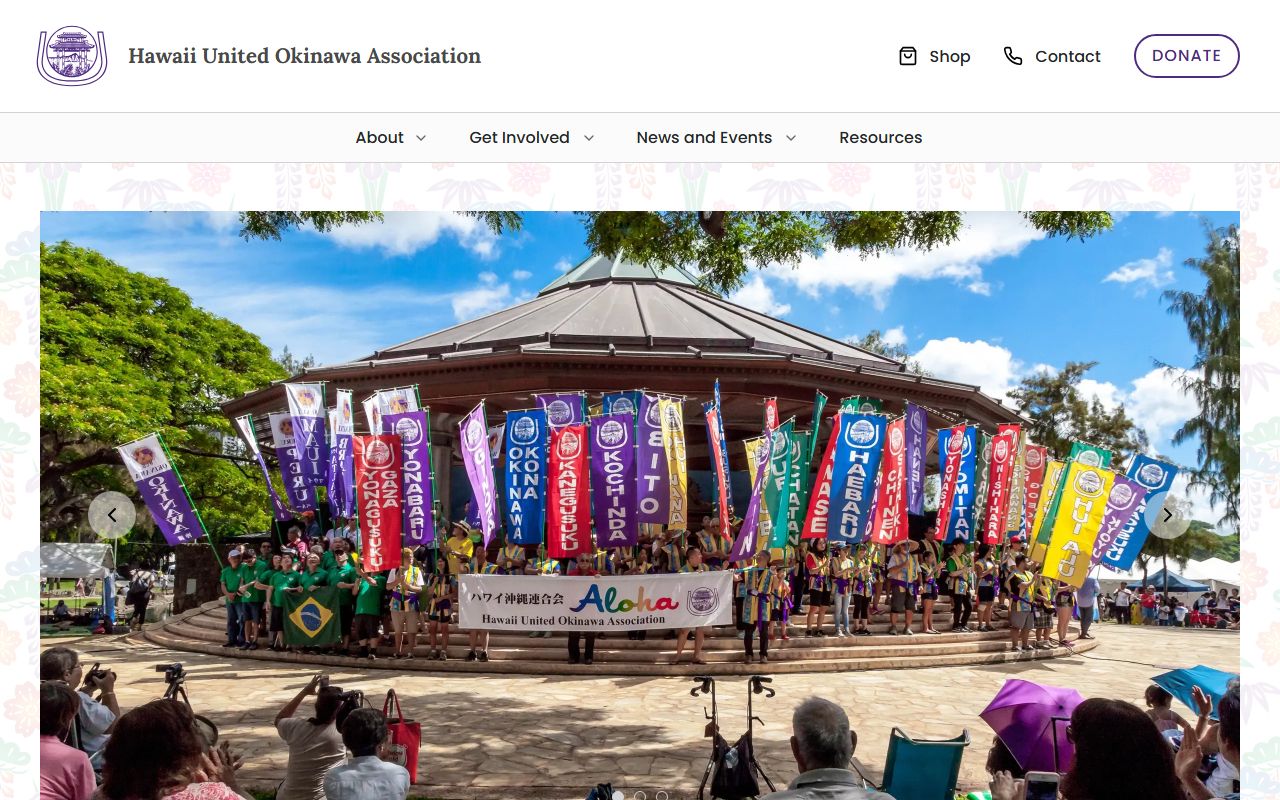
Okinawan Heritage and Ewa Gentry Genealogy
Leeward Oahu communities, including Ewa Gentry, have a high concentration of residents with Okinawan heritage. The Hawaii United Okinawa Association runs the Okinawan Genealogical Society of Hawaii, which helps members trace family lines back to Okinawa Prefecture. Their site is at huoa.org. The society can connect researchers with records that go beyond what U.S. archives hold, including village registries and genealogical documents from Okinawa itself.
If your Ewa Gentry family has Okinawan roots, working with HUOA alongside standard Hawaii vital records gives you a much fuller picture. Okinawan immigration to Hawaii peaked between 1900 and 1924, and many of those families settled in plantation communities on Leeward Oahu. First-generation immigrants often appear in naturalization records at the State Archives and in Federal census records accessible through Ancestry.com and FamilySearch.
What Ewa Gentry Genealogy Records Contain
It helps to know what each type of record actually has before you search. Here is a quick look at the main record types and what they typically include:
- Birth records: Full name, date and place of birth, parents' names, ages, and birthplaces. Records from the late 1800s may also list the race and occupation of the father.
- Death records: Name, date, place, cause of death, age, birthplace, and often the names of parents or surviving spouse. Older death records sometimes list the name of the informant, who was usually a family member.
- Marriage records: Names of both parties, ages, birthplaces, parents' names, date and location of the ceremony, and the officiant's name.
- Probate records: Names of the deceased and all heirs, a list of assets and debts, and sometimes detailed family statements. Very useful for tracing siblings and extended family.
Researching Ewa Gentry Records Step by Step
Start with what you know. Write down full names, dates of birth, and the places you already have. Then move backward in time. The DOH online portal is a good first step for records from the past 75 years. For older records, go to the State Archives site and the Digital Archives. FamilySearch should run parallel to both since it is free and has a broad Hawaii collection.
If you hit a wall with vital records, shift to land records and probate files. The Bureau of Conveyances and the First Circuit Court archives can often get you past a gap. Local FamilySearch center volunteers are another resource. They have helped many Leeward Oahu families work through hard-to-find records, and the service is free.
Community organizations like HUOA and Hawaiian genealogical societies also know the local collections well. They can point you to sources you might not find through a standard web search, including private collections, church registers, and plantation company records that have been donated to archives over the years.