
Kihei Genealogy Records Search
Genealogy research for Kihei families draws on records held at the Maui District Health Office, the Second Circuit Court in Wailuku, the Hawaii State Archives, and several local repositories that go back to the mid-1800s. This guide covers where those records are, how to get them, and what you can expect along the way.
Kihei Quick Facts
Maui County and the Second Circuit Court
Kihei is an unincorporated community in Maui County. That means all government filings tied to Kihei go through county and state offices, not a city hall. The Second Circuit Court handles civil, criminal, probate, and family court matters for Maui County. Its main courthouse sits at 2145 Main Street, Wailuku, HI, and can be reached at (808) 244-2929. You can search case records through the state judiciary's eCourt Kokua portal at courts.state.hi.us. Case IDs for Second Circuit filings use the format 2XX followed by a ten-digit number.
The Second Circuit Court also holds some older vital records. Marriage certificates from the Second Circuit cover the years 1905 through 1949. Probate records reach back further, with files from 1846 to 1900 and again from 1915. Copy fees at the court run $3 for a plain copy or $5 for a certified copy. If you are tracing an estate, a guardianship, or an old land transfer tied to Maui, the court's probate records are worth checking first.
The Maui County Clerk's office is at 200 South High Street, Wailuku, HI 96793. Phone is (808) 243-7825. Hours are Monday through Friday, 7:45 a.m. to 4:30 p.m.
Getting Vital Records for Kihei Genealogy
Vital records for Kihei births, deaths, and marriages are held by the Hawaii Department of Health. There is one important thing to know up front: the Maui District Health Office does not offer walk-in pickup service. If you go to the office in person, you cannot pick up a certified copy on the spot. All orders from Maui must go out by mail or be placed online.
The Maui District Health Office is located at the State Office Building, 54 South High Street, Room 301, Wailuku, HI 96793. You can call them at (808) 984-8210. Office hours are Monday through Friday, 7:45 a.m. to 4:30 p.m. More details are at health.hawaii.gov/maui/vital-records. The fastest way to order is online through the state's VitalChek-powered portal at vitrec.ehawaii.gov/vitalrecords.
The statewide Hawaii Department of Health vital records page is at health.hawaii.gov/vitalrecords. Fees are $10 for the first certified copy of any record and $4 for each additional copy ordered at the same time. Online orders carry a $2.50 processing fee on top of that. Genealogy requests for older records fall under a separate process at health.hawaii.gov/vitalrecords/genealogy. Under Hawaii Revised Statutes section 338-18, vital records that are 75 years old or more are open to genealogical research without needing to show direct interest.
Hawaii State Archives: Deep Historical Records
The Hawaii State Archives in Honolulu holds some of the oldest genealogical source material for Maui families. Their genealogy research guide is at ags.hawaii.gov/archives/about-us/genealogy-research-guide. Many of these records have been digitized and can be searched at no cost through digitalarchives.hawaii.gov.
For Maui specifically, the Archives holds birth records from 1860 to 1864 and from 1899, along with death records covering the same spans. Marriage records at the Archives cover all Hawaiian islands from 1826 through 1929. That range is broad enough to capture most Maui marriages from the early plantation era forward.
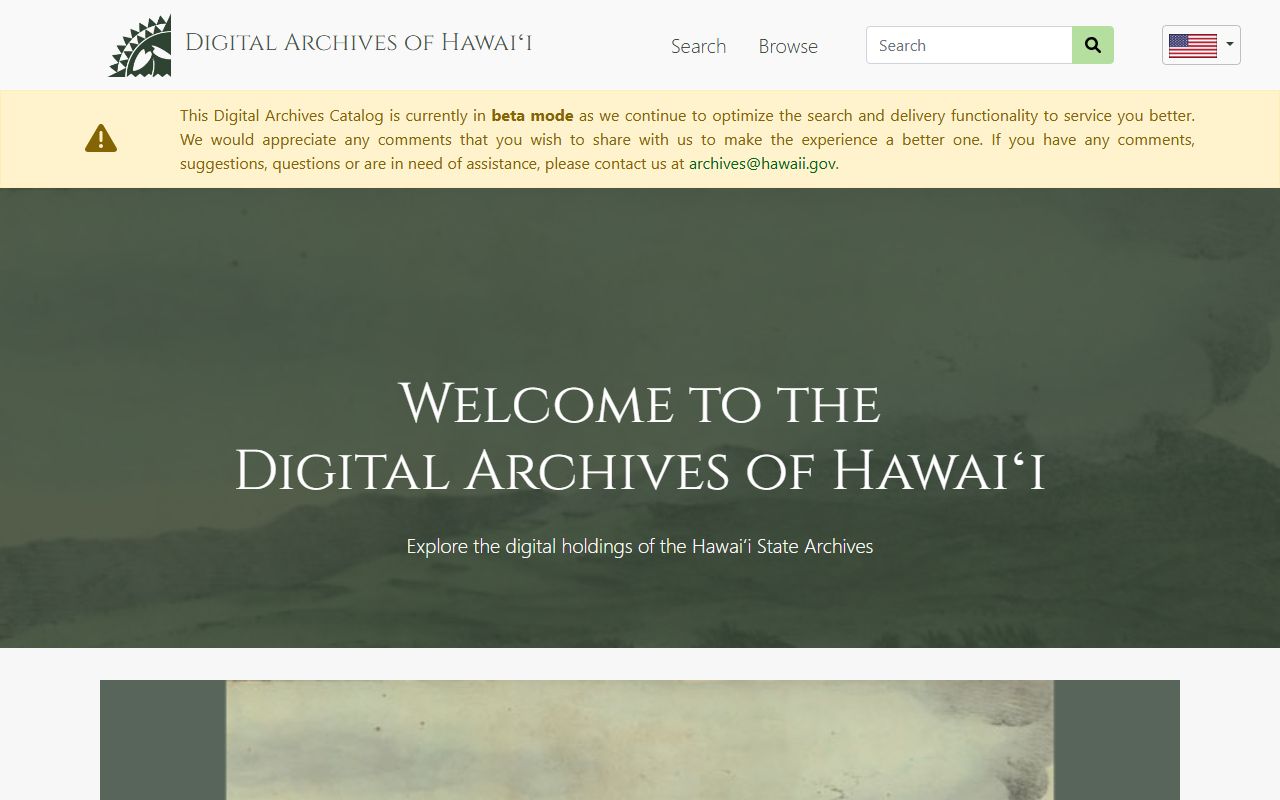
The digital archives site lets you search by name, date, and record type. Not every file has been digitized yet, so if you don't find what you need online, contact the Archives directly to check their physical holdings. Staff can assist with record lookups by mail or in person at their Honolulu location.
Maui Historical Society Archival Resources
The Maui Historical Society operates the Bailey House Museum and maintains an archival collection that is particularly useful for research into Maui families. The society is at 2375A Main Street, Wailuku, and their phone number is (808) 244-3326. Their main website is mauimuseum.org. Archival finding aids are listed at mauimuseum.org/archival-resource-finding-aids.
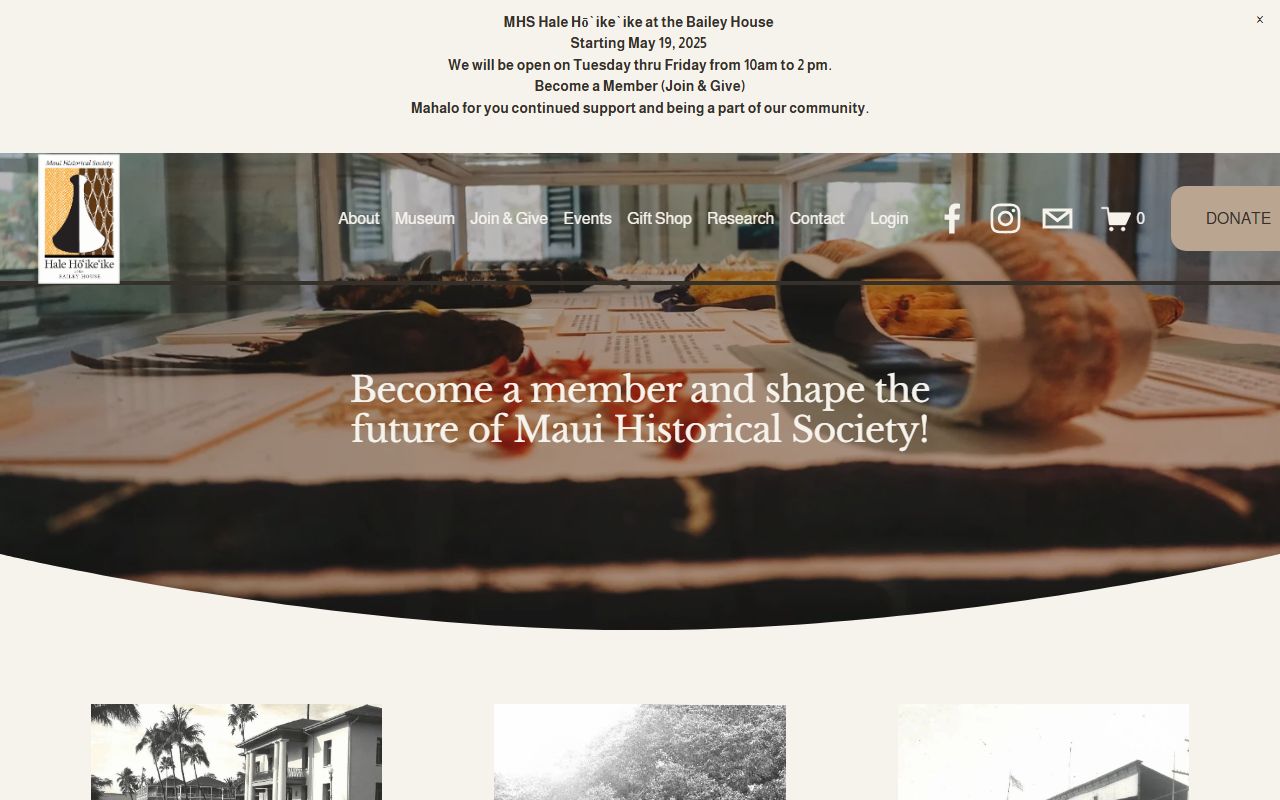
The society holds maps, photographs, plantation records, and manuscript collections that don't exist elsewhere. If your ancestors worked on Maui's sugar plantations or were tied to the early missionary period, this archive is worth a visit. Hours and access policies are best confirmed by calling ahead.
FamilySearch and the Kihei FamilySearch Center
The Kihei Hawaii FamilySearch Center offers free genealogy support to anyone, regardless of faith background. Staff and volunteers can help you navigate records, use FamilySearch software, and find sources you may not know exist. No appointment is required for most visits, though calling ahead is a good idea.
The main FamilySearch website at familysearch.org hosts a large set of Hawaii records at no cost. Key collections for Maui research include:
- Maui marriages 1826 to 1922
- Hawaii births 1841 to 1944
- Hawaii deaths going back to the 1860s
- Naturalization records and passenger lists
FamilySearch has indexed many of these records, so a simple name search can pull up results quickly. For older or more obscure files, browsing the image collections directly often turns up material that didn't make it into the index. The site is free and you only need a basic account to access most content.
Ulukau and Hawaiian-Language Sources
Ulukau, the Hawaiian Electronic Library at ulukau.org, is an underused resource for genealogy on Maui. It hosts digitized Hawaiian-language newspapers going back to the 1800s, which carry birth and death notices, marriage announcements, and land sale records that never made it into English-language archives. Ulukau also indexes Maui marriages from 1826 to 1929 and probate records from 1846 to 1900. If your ancestors were Native Hawaiian or spoke Hawaiian as a first language, this source may hold details that nothing else does.
Land Records and the Bureau of Conveyances
Property records can fill gaps in a family tree. The Hawaii Bureau of Conveyances maintains grantor and grantee indexes going back to 1845. Their website is dlnr.hawaii.gov/boc and their main phone is (808) 587-0147. Old land records show who owned what, when they sold it, and to whom, which can help confirm family relationships or migration patterns. For Kihei families with roots in the plantation era, land transfers often tied multiple generations together. The online search tool covers many of the older indexes, though some early records require a visit to Honolulu or a written request.
Kihei Public Library
The Kihei Public Library is part of the Hawaii State Library system. Its website is librarieshawaii.org. The library provides access to online genealogy databases, including Ancestry Library Edition, which can only be used on-site at the library at no charge. Staff can help you get started if you're new to genealogy research. The library also has interlibrary loan access, meaning you can request materials held at other branches across the state.
Funeral Home Records in the Maui Area
Funeral home records are a less obvious genealogy source, but they often contain information that doesn't appear anywhere else. Doorway Into Light, located in Haiku on Maui, is one local funeral provider that may hold records for Kihei families. Funeral homes typically keep files on the deceased that include birthplace, parents' names, surviving relatives, and other details gathered at the time of death. These records are not public, but families can often request copies directly from the funeral home for genealogical purposes.
What Records to Request First
If you're just starting research on a Kihei family line, a few first steps will save you time. Check the FamilySearch collections for births and marriages before ordering certified copies, since many are free online. For recent records (less than 75 years old), go through the Hawaii DOH genealogy request process. For probate or estate matters, contact the Second Circuit Court in Wailuku. For land, use the Bureau of Conveyances. And for anything that predates statehood or involves Hawaiian-language records, start with Ulukau and the Hawaii State Archives digital collections.
Researchers looking at plantation-era families will often need to combine several sources. Vital records may list a Japanese or Filipino name spelling that differs from what appears in a land record or plantation payroll. Cross-referencing helps. The Maui Historical Society's archival finding aids can point you to plantation company records that are otherwise hard to locate.
Nearby Cities with Genealogy Resources
Other Maui communities with genealogy resources include Kahului and Wailuku. Wailuku is the county seat and is where most of the government offices listed on this page are physically located. Many researchers make a single trip to Wailuku to cover the Second Circuit Court, the Maui County Clerk, the Maui District Health Office, and the Maui Historical Society all in one day.