
Mililani Town Family Records and Genealogy Research
Mililani Town sits in central Oahu within Honolulu County, and residents tracing family history here can draw on a wide range of genealogy records held at state, county, and local offices. Birth, death, marriage, land, and court records are all accessible through agencies in Honolulu, just a short drive away.
Mililani Town Quick Facts
How Mililani Town Genealogy Records Are Organized
Mililani Town is an unincorporated community, so it has no separate municipal records office. All vital records for people born, married, or who died in the area fall under the Honolulu County jurisdiction and are managed at the state level by the Hawaii Department of Health. Court records for civil, probate, and family matters are held by the First Circuit Court in downtown Honolulu. Land records go back to 1845 and are kept at the Bureau of Conveyances, also in Honolulu. Knowing which office holds which record type saves a lot of time when you start a search.
Hawaii Department of Health Vital Records for Mililani Town
The Hawaii State Department of Health Office of Vital Records is the main source for birth, death, and marriage certificates tied to Mililani Town. The office is at 1250 Punchbowl Street, Room 103, in Honolulu. You can call them at (808) 586-4539. Walk-in hours run Monday through Friday, 7:45 a.m. to 2:30 p.m. The first certified copy costs $10, and each extra copy ordered at the same time is $4.
For genealogy work, the key rule is that vital records must be at least 75 years old before they become open for general access under Hawaii Revised Statutes Section 338-18. Records newer than that are restricted to direct family members and legal representatives. You can submit genealogy requests through the department's dedicated page at health.hawaii.gov/vitalrecords/genealogy. Online orders for certified copies are also available through the state portal at vitrec.ehawaii.gov.
If your research involves ancestors from the 19th or early 20th century, some records predate the DOH system entirely. Those older documents are held at the Hawaii State Archives rather than the vital records office, so check both sources when looking for early Oahu family history.
Hawaii State Archives Records Covering Mililani Town
The Hawaii State Archives at 367 South King Street in Honolulu holds some of the oldest genealogy records in the state. You can reach the archives at (808) 586-0329. Their holdings include Oahu birth records from 1852 to 1885, death records from 1852 to 1873, and marriage records from 1826 to 1929. Probate files from the First Circuit covering 1847 to 1921 are also on file there. These records are essential for anyone tracing Mililani Town family lines back to the Kingdom of Hawaii period.
A good portion of the archives' genealogy collection is now available online. The Hawaii Digital Archives lets you browse scanned documents from home. Not everything has been digitized yet, so a visit or a written inquiry may still be needed for some record groups. Staff can assist with research queries, and the archives publishes finding aids that outline what collections are available and how to request them.
Mililani FamilySearch Center and Local Genealogy Assistance
Mililani Town has its own FamilySearch Center, which is one of the most useful local resources for family history work on central Oahu. You can reach them by phone at (808) 623-1712. The center offers free access to genealogy databases, trained volunteers who can help with research strategies, and access to the FamilySearch library catalog. There is no charge to use the services there.
The FamilySearch website at familysearch.org hosts a large collection of Hawaii records digitized from microfilm, covering roughly 1852 to 1954. These include vital records indexes, probate files, and land court records. If you can't get to the center in person, the online collections are free to anyone with an account. The Mililani center is a good place to start if you're new to genealogy or if you've hit a wall in your research and need guidance on where to look next.
Mililani Public Library and Genealogy Resources
The Mililani Public Library is part of the Hawaii State Public Library System. Their catalog and links to branch services are at librarieshawaii.org. The library provides free in-library access to Ancestry.com, which gives you a full subscription to one of the largest genealogy databases in the world at no cost. Microfilm readers are available for older newspaper and record collections. State libraries are often an underused resource for local history and family research, and the Mililani branch is a convenient starting point for central Oahu genealogy work.
University of Hawaii Genealogy Research Guide
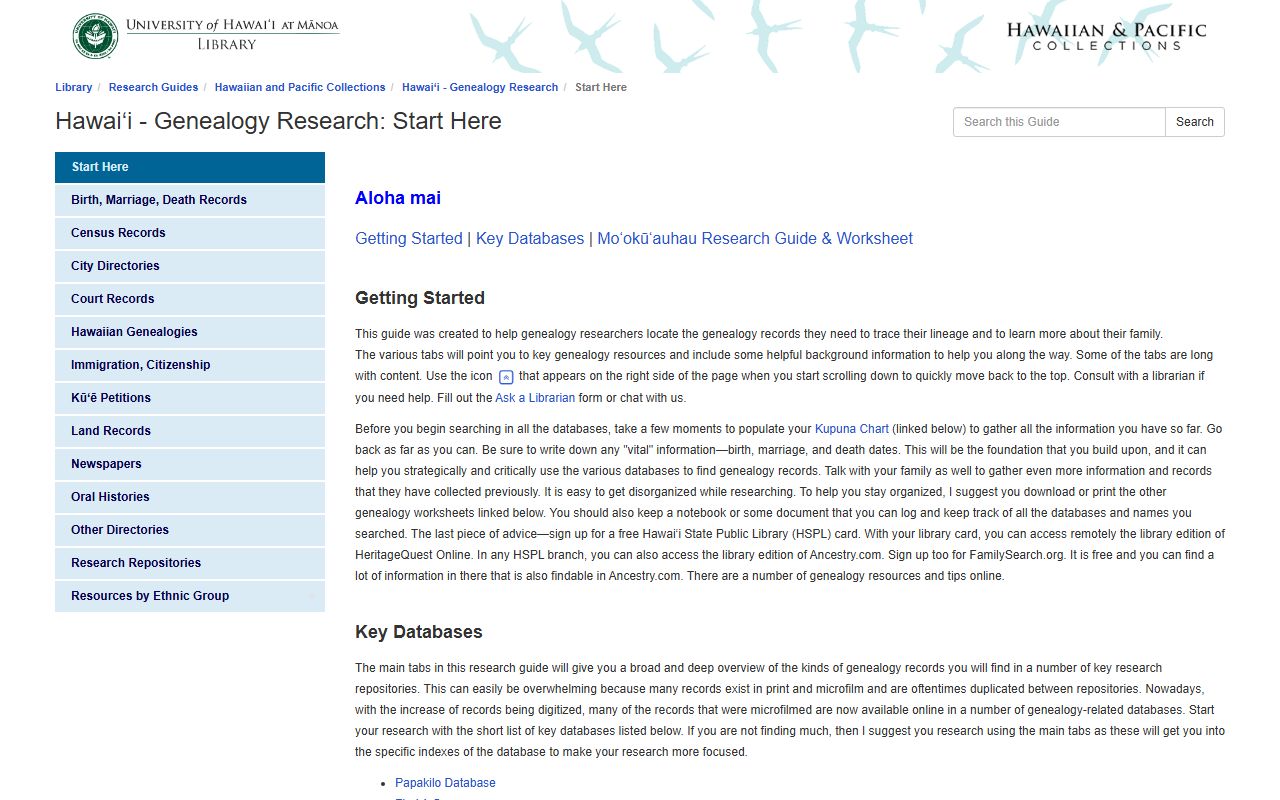
The University of Hawaii at Manoa maintains a detailed genealogy research guide at guides.library.manoa.hawaii.edu/hawaiigenealogyresearch. Hamilton Library on the UH Manoa campus can be reached at (808) 956-8264. The guide covers vital records, land records, newspapers, and the Papakilo Database, which is a specialized resource for Native Hawaiian names, places, and historical documents. If your Mililani Town family history includes Native Hawaiian lineage, the Papakilo Database is worth exploring early in your research. The UH guide is free to use and regularly updated with new online sources.
First Circuit Court Records for Mililani Town Genealogy
Civil, probate, and family court records for Mililani Town are handled by the First Circuit Court in Honolulu. You can search case records through the eCourt Kokua system at courts.state.hi.us. The system lets you do a party or case name search at no charge. Copy fees run $3 for regular copies and $5 for certified copies per document. Probate files, divorce records, guardianship cases, and estate inventories filed in the First Circuit are part of this system. For older records not yet digitized, you'll need to contact the circuit court clerk's office directly.
Bureau of Conveyances Land Records
The Bureau of Conveyances holds land records for all of Hawaii, including Mililani Town and the surrounding central Oahu area. You can call them at (808) 587-0147. Grantor and grantee indexes run back to 1845, covering the Kingdom of Hawaii period. Land records are useful for genealogy because they document property transfers between family members, reveal maiden names through deed signatures, and can help you place ancestors in a specific location at a given time. The bureau's online search tool is available through their website and does not require a fee to search the index.
Ulukau Hawaiian Language Database
The Ulukau digital library is a free online resource that holds a wide range of historical Hawaiian records. For genealogy research covering Mililani Town families, the most useful collections include marriage records from 1826 to 1929, probate records, and divorce case files from 1848 to 1915. Ulukau also includes digitized Hawaiian language newspapers from the 19th and early 20th centuries, which often contain birth announcements, obituaries, and notices of legal proceedings. If your family history predates statehood or reaches back into the Kingdom period, Ulukau can fill gaps that other sources miss.
Punchbowl Cemetery Records and Military Genealogy
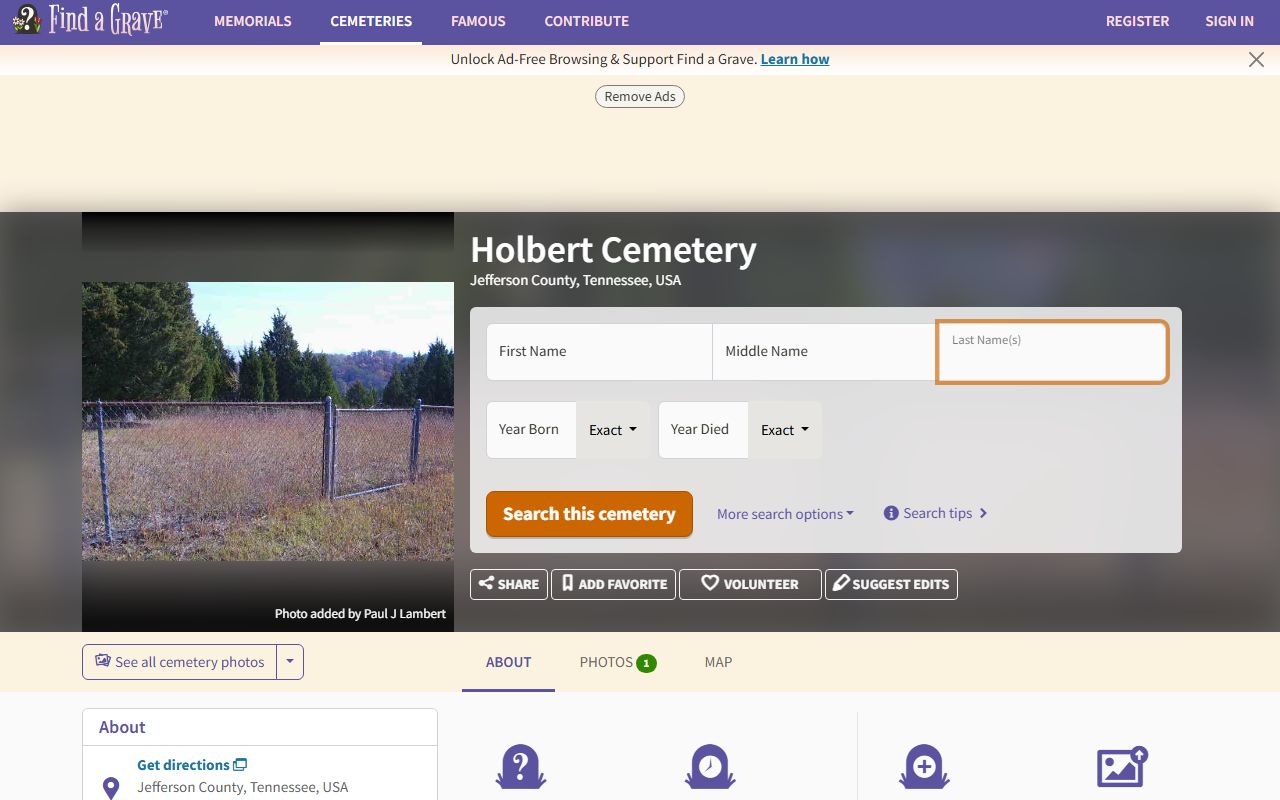
The National Memorial Cemetery of the Pacific, commonly called Punchbowl, is one of the most significant burial sites in Hawaii for military genealogy. Many Mililani Town families have members interred there, particularly veterans from World War II and the Korean War. Find A Grave and the National Cemetery Administration both maintain searchable databases for Punchbowl burials. Military service records can also be requested from the National Archives and Records Administration. If an ancestor served in the military and was stationed in or near Oahu, combining military records with local vital records often produces a much fuller picture of their life.
For more recent burials, Mililani Memorial Park and Mortuary is a major local cemetery serving central Oahu. Funeral home records sometimes contain genealogical details not found in official vital records, including names of survivors, birthplaces, and next of kin. It's worth contacting the mortuary directly if you're looking for family details that don't appear in state records.
Key Steps for Starting Mililani Town Genealogy Research
- Check the Hawaii State Archives for records predating 1900, including births, deaths, marriages, and probate files from the Kingdom and Territory periods.
- Use the DOH vital records office or online portal for certified copies of records from 1900 onward, keeping in mind the 75-year access rule for non-family members.
- Visit or call the Mililani FamilySearch Center at (808) 623-1712 for free research help and database access.
- Search eCourt Kokua for First Circuit Court records including probate, divorce, and civil case files.
- Use the Bureau of Conveyances for land records going back to 1845 to track property ownership and family movements.
- Explore Ulukau for Hawaiian language records and digitized historical documents not available elsewhere.
Nearby Cities with Genealogy Resources
Researchers in Mililani Town may also find genealogy resources in nearby communities on central and western Oahu. Each of the following cities has its own page with information on local courts, libraries, and record access points:
All of these communities fall under the same Honolulu County and First Circuit Court jurisdiction, so the core records sources are the same. Local libraries and FamilySearch centers in each area may have additional resources or extended hours that are useful depending on where you are on Oahu.