
Kailua Genealogy Records Search
Kailua sits on the windward side of Oahu and falls under Honolulu County, giving residents access to one of the most complete sets of genealogy records in the state. Birth certificates, death records, marriage licenses, court files, and land deeds for Kailua families are held across several state and county offices, with some records dating back to the mid-1800s.
Kailua Quick Facts
Vital Records for Kailua Families
The Hawaii State Department of Health is the main office for vital records in Kailua. It holds birth and death certificates from 1896 forward and marriage records from 1842 forward. The office is at 1250 Punchbowl St., Room 103, in Honolulu. You can call them at (808) 586-4539. Hours run Monday through Friday, 7:45am to 2:30pm. The fee is $10 for the first certified copy and $4 for each one after that.
You can order records online at vitrec.ehawaii.gov or visit the Department of Health vital records page to learn more about the process. For older genealogy requests specifically, the DOH has a dedicated page at health.hawaii.gov/vitalrecords/genealogy. Records that are 75 years old or more are open to the public under Hawaii Revised Statutes section 338-18. That law lets genealogists access older records without showing a direct family connection, which helps a lot when you're tracing lines that go back several generations.
Keep in mind that some early births on Oahu were never formally registered. If you can't find a record, it may not mean the event didn't happen.
Hawaii State Archives: Kailua Genealogy Research
The Hawaii State Archives holds some of the oldest genealogy records in the state and is a key stop for anyone researching Kailua and windward Oahu families. The address is 367 S. King St. in Honolulu, and the phone number is (808) 586-0329. Their genealogy research guide walks you through what they have and how to request it.
What makes the Archives valuable is the depth of the older record sets. Oahu births from 1852 to 1885 are here, along with death records from 1852 to 1873. Marriages from all islands run from 1826 to 1929. Probate records from the First Circuit cover 1847 to 1921, and wills from that court run from 1893 to 1916. For families with Hawaiian, Chinese, Japanese, or other immigrant roots in the Kailua area, these records can fill in gaps that more recent databases don't cover. Many items have been digitized and are available through the Hawaii Digital Archives, so you may be able to browse them from home before making a trip to the reading room.
First Circuit Court Records for Kailua
Kailua is part of the First Circuit, which covers the entire island of Oahu. Court records from this circuit are an important source for genealogy work. Probate files show family members named in estates. Divorce case files from 1848 to 1915 are held here. Land court records tie family names to specific properties. You can search the system through eCourt Kokua, which lets you look up cases by party name or case number.
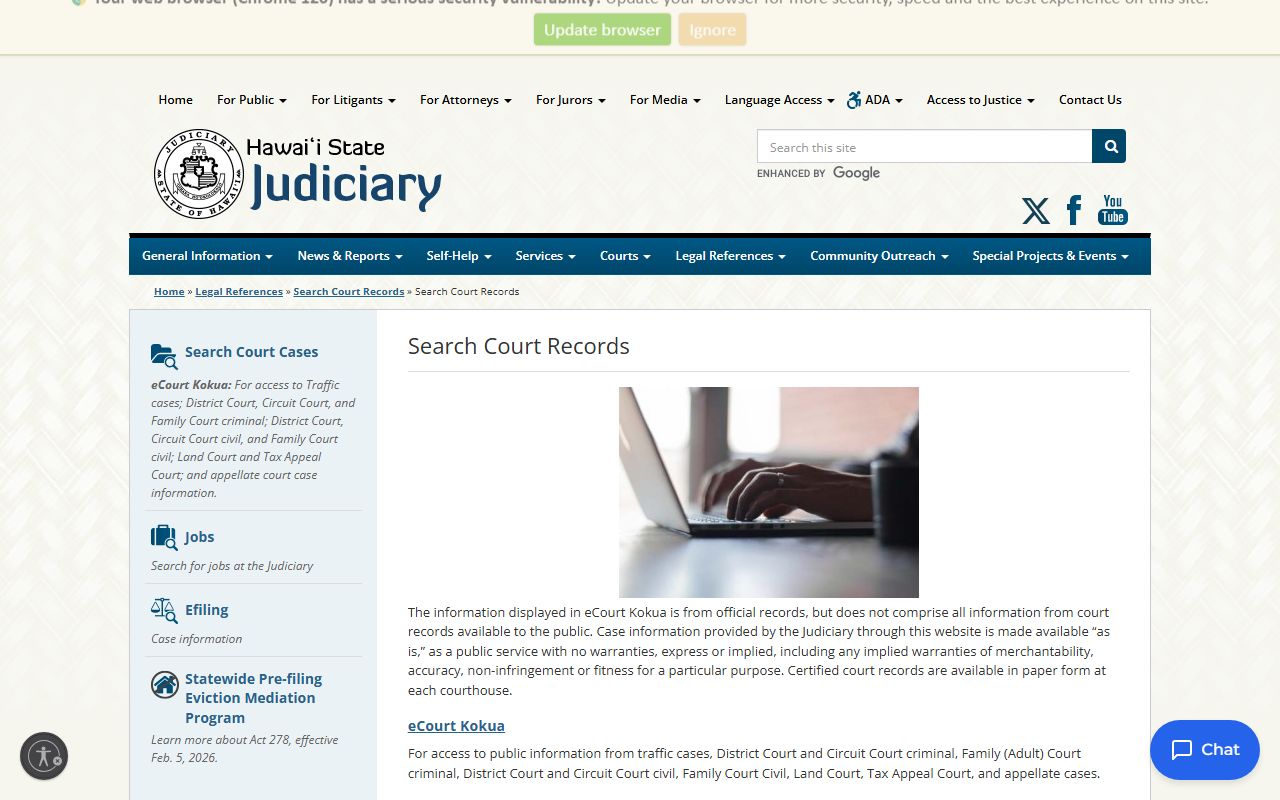
Copy fees at the First Circuit Court are $3 for a regular copy and $5 for a certified copy. If you need court records for a legal matter or to prove family relationships, certified copies carry more weight. The eCourt Kokua system is free to search online, which is a good first step before requesting physical copies.
Bureau of Conveyances: Land Records for Kailua
Land records are often overlooked in genealogy research, but they can be some of the most useful. The Hawaii Bureau of Conveyances holds grantor and grantee indexes going back to 1845, along with kuleana land records that document Native Hawaiian land awards. These records can place an ancestor in a specific location at a specific time, link family members through property transfers, and reveal name variations that don't show up in vital records.
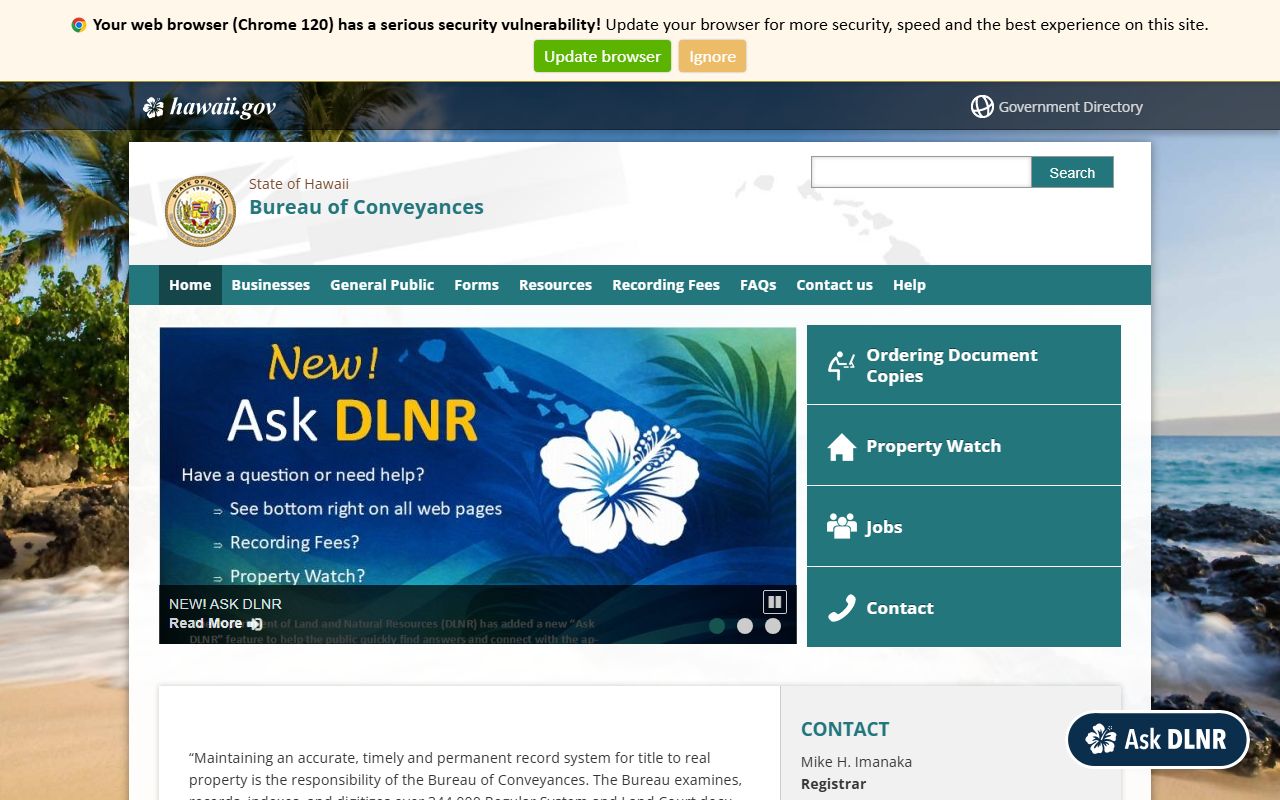
The office is at 1151 Punchbowl St., Suite 120, in Honolulu. You can reach them at (808) 587-0147. The main website is dlnr.hawaii.gov/boc. Kailua families, especially those with Hawaiian ancestry, may find kuleana records particularly useful because they document who held land in specific ahupuaa (land divisions) on windward Oahu in the mid-1800s. These records often include testimony about family relationships and oral histories that were recorded as part of the land claim process.
Kailua Public Library and Local Resources
The Kailua Public Library is part of the Hawaii State Library system and holds some useful genealogy materials for local research. Birth indexes covering 1896 to 1909 are available at this branch. The library also provides free access to Ancestry.com on in-library computers, which gives you access to a wide range of digitized records without a paid subscription. The Hawaii State Library system's main site is librarieshawaii.org.
For hands-on help with genealogy research, the Kaneohe FamilySearch Center is the closest center to Kailua. You can reach them at (808) 247-3134. If you need to visit a larger center with more staff, the Honolulu FamilySearch Center is available at (808) 955-8910. FamilySearch is free to use and holds a large collection of Hawaii-specific records, including naturalization records from 1838 to 1991 and voter records from 1864 to 1910. These voter rolls in particular can help you confirm when an ancestor arrived in Hawaii and where they were living at the time.
Ulukau and Hawaiian-Language Records
Ulukau is an online resource that deserves attention for anyone researching Hawaiian families or families with deep roots in Kailua and windward Oahu. The site at ulukau.org includes digitized marriage records from 1826 to 1929 and probate records from 1847 to 1917. Many of these records are in the Hawaiian language, so having some familiarity with Hawaiian terms or a translation tool helps. The marriage records predate the formal state registration system by decades, making Ulukau the only place to find some of the oldest family connections on Oahu.
What Records to Request for Kailua Genealogy
Knowing which records to request first can save time. Here is a basic order that works well for most Kailua family research:
- Start with death certificates, which often list parents, birthplace, and informant name
- Pull marriage records to confirm maiden names and parents of bride and groom
- Request birth certificates once you have confirmed names from other sources
- Search probate records at the State Archives for family members listed in estate files
- Check the Bureau of Conveyances for land transfers that can link generations
- Use FamilySearch for naturalization and voter records to confirm arrival dates and residences
This approach works because each record type tends to confirm or add detail to what you found in the last one. Death records in particular are a good starting point because they are usually the easiest to get and contain a lot of secondary information about the deceased's family.
Remote Access Options for Kailua Records
You don't need to travel to get many Kailua genealogy records. The DOH vital records portal lets you order certified copies online. The Hawaii Digital Archives has a free collection of scanned documents from the State Archives. eCourt Kokua gives free online access to First Circuit Court case indexes. FamilySearch has a large free collection of Hawaii records. Ancestry.com (free at the Kailua Library) has digitized many of the same indexes. For land records, the Bureau of Conveyances has online search tools as well. Between these sources, you can do a lot of preliminary research before deciding which physical records to request.
Mail requests are accepted by both the DOH and the State Archives. If you go that route, include as much identifying information as you can: full name, approximate date, type of record, and your relationship to the person. The more detail you give, the faster the search goes.
Nearby Cities with Genealogy Records
If your research extends beyond Kailua, these nearby communities may have relevant records or resources:
- Kaneohe - also on windward Oahu, closest to the Kaneohe FamilySearch Center
- East Honolulu - part of the same county, same court and vital records offices
- Urban Honolulu - home to the State Archives, DOH, Bureau of Conveyances, and First Circuit Court in person